
This year the Caroline Herschel Award, in its 7th year, received 7 nominations from Herschel Alumnae with all 7 nominations accepted.
In 2020, we revised our approach to the award and the voting processes. In previous years the HAU Committee would vote with support of the Heads of the school and the recipient would be announced. Last year we decided to make the process more inclusive, transparent and independent. This approach was continued into this year and you would have seen the emails sent to the HAU that contained each nominee’s inspiring story.
The voting process was opened up to all HAU members via a virtual vote, the criteria for the award were expanded and finally, an independent panel of judges were appointed representing the education, business and philanthropy sectors. The top two nominees as voted for by the HAU were submitted
to the external judging panel. The judges found the process incredibly difficult, commenting that both finalists they were presented with were equally worthy of the award.
We are exceptionally grateful to have had such a difficult choice to make in awarding this prize as it shows the calibre of women in the world that Herschel had a small hand in creating.
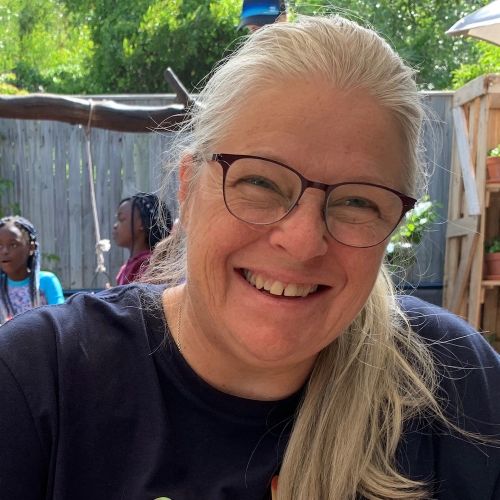
Shona McDonald
Founder of ShonaquipSE Africa’s only ISO 13485 certified wheelchair manufacturer and South Africa’s first Hybrid Social Enterprise.
Shona was recently nominated to the Board of International Society Wheelchair Professionals, is a technical advisor to CHAI, worked with WHO on the development of recently published Wheelchair Provision Guidelines, and consults with the Technical Advisory Group of USAID and UNICEF’s Advancing Nutrition program.
Her life’s work and company’s origin were inspired by her daughter, Shelly, who was born with cerebral palsy. Her family experienced first-hand how difficult it was to find appropriate assistive devices and support services. When Shona, together with a Biomedical Engineering technician at UCT built her first pediatric posture support wheelchair in 1984 she quickly realised that wheelchairs were about more than transport and more than ensuring that children did not develop secondary health complications; wheelchairs were about independence, dignity, access to choice, school, social inclusion, justice and human rights.
She holds Schwab, Ashoka, Paul Harris, CASMI and RESNA Fellowships.